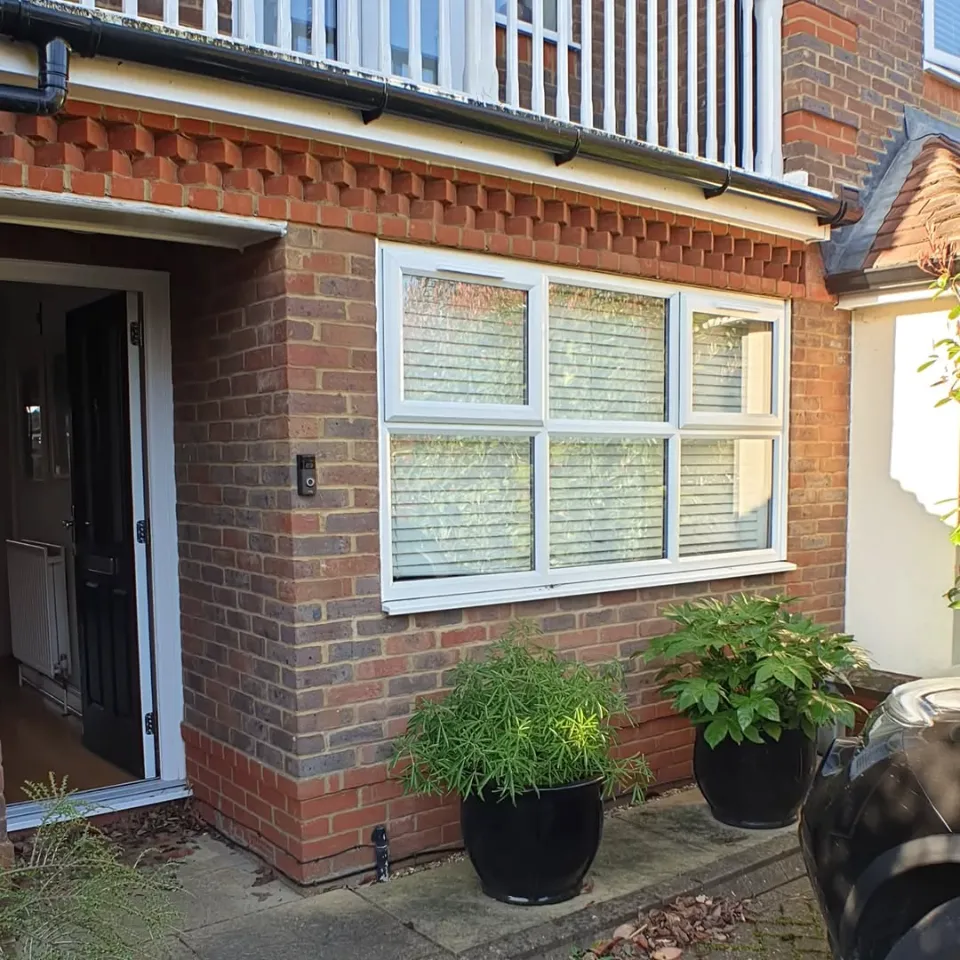
Garage conversion Cranleigh work looks different depending on which part of the village you're in. Near the historic High Street, you're likely working within a conservation area. On newer estates like Knowle Park, the garage itself is only a few years old.
Garage conversion Cranleigh: rules near the historic High Street
Waverley Borough Council is the planning authority for the whole of Cranleigh. Much of the village centre sits inside the Cranleigh Conservation Area, adopted after the council's own appraisal of the area.
If your garage faces a street inside that boundary, changes that are visible from the road can need planning permission. A new garage door, altered brickwork, or a different roofline often fall outside permitted development here, even where the same change would be allowed elsewhere in the village. Check Waverley's conservation area map before settling on a design.
Newer estates: Knowle Park and Leighwood Fields
Cranleigh has grown quickly over the past few years. Large developments such as Knowle Park, off Knowle Lane, and Berkeley's Leighwood Fields near the Surrey Hills have added several hundred new homes to the village.
Garages on these estates are usually single, attached, and built to current Building Regulations. That makes a conversion more predictable. The structure, insulation and damp-proofing tend to be far more consistent than in a garage built in the 1960s or 70s, which is what you'll typically find on Cranleigh's older streets.
Flood risk near Cranleigh Waters
Cranleigh Waters and the Littlemead Brook both run close to parts of the village. Some roads near them sit inside a flood zone identified in the Cranleigh Neighbourhood Plan's flood risk appendix.
If your home is in or near one of these areas, we check floor levels and existing drainage before starting work. We might suggest raised electrical sockets or a non-return valve on any new drainage connection. It's a sensible precaution, even where your specific plot has never flooded.
Wherever you are in Cranleigh, the first step is the same: a site visit to measure the space, check the roof structure, and agree a layout that suits how you'll use the room. Our garage conversions page covers the structural and insulation work in more detail. Our guide to a garage conversion in Godalming, also in the Waverley Borough Council area, shows a similar project nearby.
Frequently Asked Questions
Will Cranleigh's conservation area stop me converting a garage near the High Street?
Not usually, but it changes what counts as permitted development. Inside the Cranleigh Conservation Area, anything visible from the street, such as a new garage door or altered brickwork, often needs planning permission even where the same change would be automatic elsewhere in the village. We check the conservation area boundary and your property's planning history before finalising a design.
Is converting a garage easier on a new estate like Knowle Park than in older parts of Cranleigh?
Generally, yes. Garages on recent developments such as Knowle Park and Leighwood Fields were built within the last few years to current Building Regulations, with consistent foundations and insulation. That usually means fewer surprises once we open up the walls, compared with a garage conversion on an older 1960s or 70s property where construction can vary significantly from house to house.
Does being near Cranleigh Waters affect a garage conversion?
It can, if your home sits within one of the flood risk areas identified around Cranleigh Waters or the Littlemead Brook. We check floor levels and drainage as part of the initial survey, and suggest simple precautions where needed, such as raised sockets or a non-return valve on new wastewater connections. Most Cranleigh garage conversions aren't affected, but it's always worth checking.
If you're thinking about a garage conversion in Cranleigh, get in touch for a no-obligation site visit. We'll tell you honestly whether your garage suits a straightforward conversion or needs more thought, whichever part of the village you're in.